Financial planning need not be mysterious. What it requires is taking a careful look at your individual goals and deciding how you intend to achieve them. Then making plans to help you move from vision to reality, from where you are now to where you want to be in the future
We at FORESIGHT can help you develop a financial plan that's right for your life, assist you in building financial freedom, and equip you to protect perhaps your most valuable asset – financial well-being.
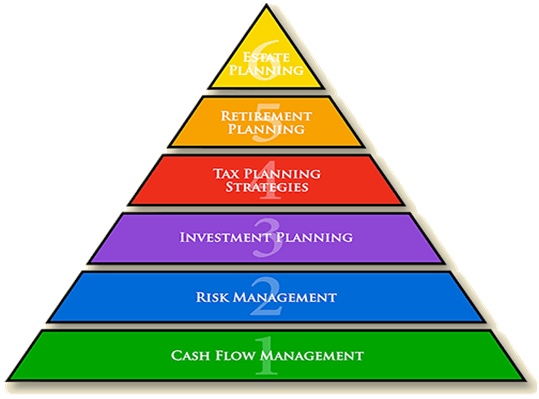
There are six vital areas addressed in a properly designed financial plan. You might choose to start with the area most important to you right now. But, since action in one area affects all the others, a personal financial plan must address all of them:
Cash Flow Management
Every financial plan must include an accurate understanding of your income and expenses today and in the foreseeable future
Do you know how much money you earn from all sources (your inflows) and how much you spend (your outflows)? Do you have enough money to cover your necessary expenses and saving?
If you have debt to be repaid, how much does it cost you? Do you have a plan to offload it as quickly as possible?
Risk Management
A complete financial plan helps you manage the risks that could undermine your goals, deplete your assets or threaten your income.
If you lost your job or became sick or injured, how would you pay your bills?
In your absence, would your spouse and children be able to live in the style they have become accustomed to?
Would your children be able to afford expensive college if you were no longer generating income?
Choice of an appropriate protection vehicle is not easy. An average person fails to understand the fine prints, thus ends up becoming a victim of emotional push or buy inadequate but costly insurance products.
Investment Planning
In this area, we help you find ways to utilize investment strategies and vehicles best suited to your temperament and personal planning objectives.
Is your primary objective at this life stage is wealth accumulation or generating current income?
Are you getting a return on your investments consistent with the level of stability you assumed?
Do you understand the different investment alternatives available and identify the ones that best suit your individual circumstances?
Tax Planning
There is a strong correlation between minimizing taxes and wealth building.
Are you familiar with the latest tax laws and how they affect your ‘Current income’?
Are you taking advantage of the tax minimization strategies for ‘Investment income’ available to you?
Retirement Planning
Once your goals for retirement are established, you can build a plan to achieve them.
Do you think you’re too young to plan for retirement or, if you’ve already retired, that there’s not much you can do about it?
Will your current financial program allow you to live comfortably for 15, 20, or 30 years post retirement?
With respect to your retirement savings programs, is your concern return on investment or return of investment?
Are you concerned about the possibility of outliving your money? This could be a bigger risk.
Estate Planning
Developing an estate plan can help maximize the amount of money you leave for your beneficiaries.
Are you sure your assets will be utilized the way you want and will reach the people you want them to after you’re gone?
If you became incapable of managing your affairs while alive, will your finances continue to be managed properly and effectively?
If you own a business, do you have a succession plan for it?